
Engineering Resilience: The Critical Role of High-Pressure Fluid Connection Systems in Modern Industrial Infrastructure
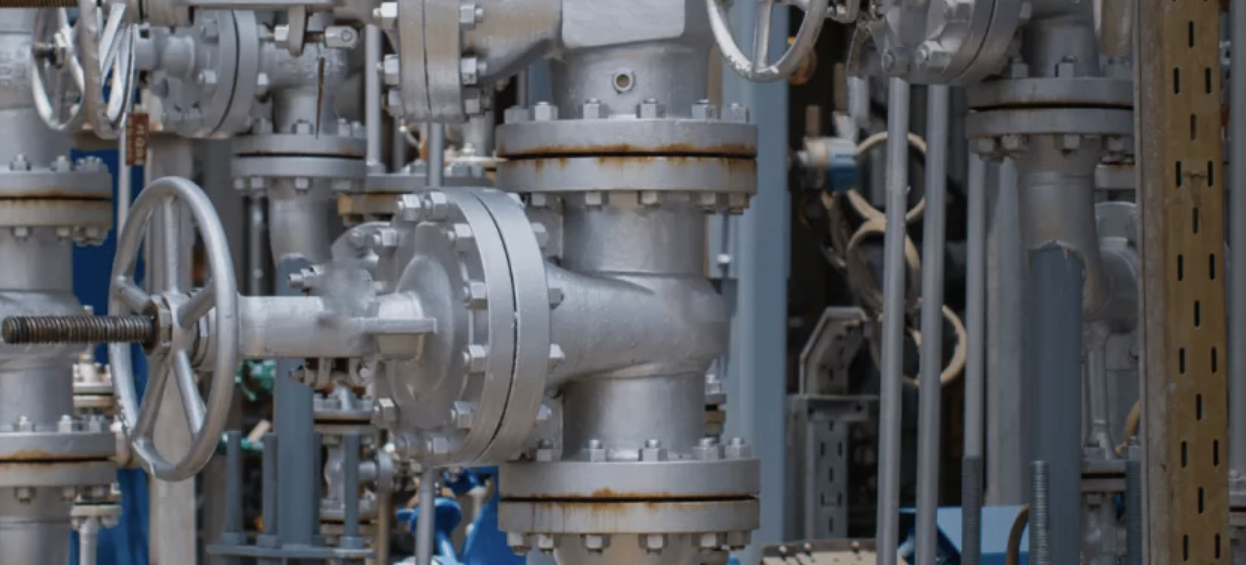
HENGSHUI, HEBEI, CHINA, April 2, 2026 /EINPresswire.com/ -- The global energy and manufacturing sectors continue to push the boundaries of operational depth and pressure, necessitating a parallel evolution in fluid conveyance technology. Within these demanding environments, where the failure of a single component can lead to significant downtime or environmental hazards, the integration of API Pipe Union Fittings remains a fundamental requirement for ensuring leak-proof connectivity and structural integrity. Engineers and project managers prioritize components that offer not only physical strength but also the mechanical precision required to withstand fluctuating thermal loads and extreme hydraulic stresses. As industrial projects move toward more remote and harsher terrains, the demand for standardized, high-performance connection solutions has become a central pillar of modern engineering strategy. These systems serve as the vital conduits for vital resources, bridging the gap between raw extraction and refined processing with a focus on safety and long-term reliability.
The integrity of high-pressure fluid systems depends heavily on the mechanical properties of the connectors used to join disparate sections of piping and flexible hosing. In the oil and gas industry, for instance, drilling operations involve the management of abrasive slurries and caustic chemicals under thousands of pounds of pressure per square inch. Standard threaded connections often prove insufficient in these scenarios due to the risk of cross-threading or erosion over time. Consequently, the industry has turned toward robust hammer unions and specialized fittings that utilize spherical seating surfaces and resilient primary seals. These designs allow for a degree of misalignment during installation while maintaining a bubble-tight seal under full working load. This adaptability is particularly crucial in offshore environments or modular factory setups where perfect alignment is rarely achievable during initial assembly.
Furthermore, the materials used in the construction of these industrial components must undergo rigorous selection processes to prevent catastrophic failure. High-strength alloy steel, often treated with specialized coatings or heat-treated for enhanced hardness, forms the backbone of modern fitting architecture. These materials must resist various forms of degradation, including hydrogen embrittlement, sulfide stress cracking, and simple mechanical wear. By utilizing precision forging and advanced CNC machining, manufacturers can ensure that every component adheres to strict dimensional tolerances. This level of manufacturing consistency is essential for field interchangeability, allowing operators to replace components quickly without the need for custom on-site modifications. The goal is to create a seamless interface that treats the connection point as a continuation of the pipe itself rather than a point of potential weakness.
Beyond the rigid piping systems, the flexibility afforded by reinforced hosing is indispensable for dynamic industrial applications. Specifically, the correct specification of High-Pressure Hose Fittings & Adaptors significantly impacts the overall lifecycle of hydraulic systems and heavy machinery. These adapters serve as the critical interface between rigid manifolds and mobile actuators, requiring a design that can accommodate vibration and repeated pressure cycles. Modern hose fittings often incorporate multi-step crimping technologies and dual-seal mechanisms to prevent the "blow-off" incidents that were common in earlier hydraulic designs. By providing a secure, vibration-resistant grip on the hose reinforcement, these fittings ensure that the fluid remains contained even when the system is subjected to sudden surges or mechanical shocks. This reliability is a key factor in reducing maintenance overhead and extending the service intervals for heavy industrial equipment.
Quality assurance in the production of fluid handling components is governed by international standards that provide a universal language for safety and performance. Adherence to API (American Petroleum Institute) specifications and ISO quality management systems ensures that products manufactured in different parts of the globe can function together reliably. For organizations like Hengshui Jinheng Rubber and Plastic Manufacturing Co., Ltd., maintaining these certifications is not merely a regulatory hurdle but a core part of the value proposition. Comprehensive testing protocols, including hydrostatic pressure testing and non-destructive examination (NDE), are used to verify the internal structure and seal integrity of every batch. This data-driven approach to manufacturing allows for the continuous refinement of product designs, ensuring that they stay ahead of the increasingly stringent requirements of the global market.
The versatility of these high-pressure solutions extends into several vertical markets beyond traditional fossil fuel extraction. In the realm of renewable energy, particularly in geothermal power plants, fluid connection systems must handle high-temperature brine and steam. Similarly, in the mining sector, high-pressure water jets and slurry transport systems rely on the same principles of robust connectivity to operate efficiently. The cross-industry application of these technologies demonstrates the universal need for secure fluid management. As industries adopt more automated and sensor-integrated systems, the physical hardware must remain the most reliable link in the chain. Even the most advanced digital monitoring system is only as effective as the physical seals and joints it is designed to protect, highlighting the enduring importance of mechanical excellence.
Sustainable industrial practices are also influencing the design of modern fittings and connectors. Manufacturers are increasingly focusing on the longevity of their products to reduce the frequency of replacements and the associated waste. By designing for durability and ease of maintenance, companies help their clients lower their total cost of ownership while minimizing their environmental footprint. Additionally, the development of leak-detection-friendly designs helps prevent environmental contamination by making it easier for operators to identify and address minor seeps before they become major leaks. This commitment to environmental stewardship is becoming a differentiating factor for suppliers who wish to partner with global enterprises committed to ESG (Environmental, Social, and Governance) goals.
Looking forward, the integration of metallurgy and digital manufacturing continues to pave the way for the next generation of industrial components. We are seeing the introduction of "smart" fittings equipped with integrated sensors that can monitor pressure, temperature, and flow rates at the connection point. While the physical strength of the union remains paramount, the ability to gather real-time data from the most stressed parts of the system provides invaluable insights for predictive maintenance. This evolution transforms a simple mechanical part into an active participant in the digital ecosystem of the modern smart factory or "intelligent" oilfield. The foundation of this digital future, however, remains firmly rooted in the mechanical reliability established by decades of engineering expertise in high-pressure fluid management.
The global logistics of industrial parts also play a vital role in supporting international infrastructure projects. Reliable supply chains ensure that critical components like high-pressure unions and hose adapters are available whenever and wherever they are needed. This availability is crucial for minimizing downtime in large-scale operations where every hour of inactivity can result in substantial financial losses. Manufacturers who can combine technical excellence with efficient global distribution are well-positioned to serve as long-term partners for multinational engineering firms. Through participation in global trade exhibitions and the establishment of international distribution networks, these suppliers contribute to the overall stability and efficiency of the global industrial economy.
In conclusion, the sophisticated engineering behind modern high-pressure fluid connection systems is a testament to the industry's commitment to safety and efficiency. From the heavy-duty threads of a hammer union to the precision crimp of a hydraulic adapter, every detail is optimized to handle the rigors of the modern industrial landscape. By prioritizing high-quality materials, strict adherence to international standards, and continuous innovation, manufacturers are providing the essential hardware that keeps the world’s most critical systems running. As we move into an era of more complex and demanding industrial challenges, the importance of these reliable connection solutions will only continue to grow, serving as the silent but strong backbone of global progress.
For more information on professional industrial fluid solutions, please visit the official website: https://www.hrzzparts.com/
The integrity of high-pressure fluid systems depends heavily on the mechanical properties of the connectors used to join disparate sections of piping and flexible hosing. In the oil and gas industry, for instance, drilling operations involve the management of abrasive slurries and caustic chemicals under thousands of pounds of pressure per square inch. Standard threaded connections often prove insufficient in these scenarios due to the risk of cross-threading or erosion over time. Consequently, the industry has turned toward robust hammer unions and specialized fittings that utilize spherical seating surfaces and resilient primary seals. These designs allow for a degree of misalignment during installation while maintaining a bubble-tight seal under full working load. This adaptability is particularly crucial in offshore environments or modular factory setups where perfect alignment is rarely achievable during initial assembly.
Furthermore, the materials used in the construction of these industrial components must undergo rigorous selection processes to prevent catastrophic failure. High-strength alloy steel, often treated with specialized coatings or heat-treated for enhanced hardness, forms the backbone of modern fitting architecture. These materials must resist various forms of degradation, including hydrogen embrittlement, sulfide stress cracking, and simple mechanical wear. By utilizing precision forging and advanced CNC machining, manufacturers can ensure that every component adheres to strict dimensional tolerances. This level of manufacturing consistency is essential for field interchangeability, allowing operators to replace components quickly without the need for custom on-site modifications. The goal is to create a seamless interface that treats the connection point as a continuation of the pipe itself rather than a point of potential weakness.
Beyond the rigid piping systems, the flexibility afforded by reinforced hosing is indispensable for dynamic industrial applications. Specifically, the correct specification of High-Pressure Hose Fittings & Adaptors significantly impacts the overall lifecycle of hydraulic systems and heavy machinery. These adapters serve as the critical interface between rigid manifolds and mobile actuators, requiring a design that can accommodate vibration and repeated pressure cycles. Modern hose fittings often incorporate multi-step crimping technologies and dual-seal mechanisms to prevent the "blow-off" incidents that were common in earlier hydraulic designs. By providing a secure, vibration-resistant grip on the hose reinforcement, these fittings ensure that the fluid remains contained even when the system is subjected to sudden surges or mechanical shocks. This reliability is a key factor in reducing maintenance overhead and extending the service intervals for heavy industrial equipment.
Quality assurance in the production of fluid handling components is governed by international standards that provide a universal language for safety and performance. Adherence to API (American Petroleum Institute) specifications and ISO quality management systems ensures that products manufactured in different parts of the globe can function together reliably. For organizations like Hengshui Jinheng Rubber and Plastic Manufacturing Co., Ltd., maintaining these certifications is not merely a regulatory hurdle but a core part of the value proposition. Comprehensive testing protocols, including hydrostatic pressure testing and non-destructive examination (NDE), are used to verify the internal structure and seal integrity of every batch. This data-driven approach to manufacturing allows for the continuous refinement of product designs, ensuring that they stay ahead of the increasingly stringent requirements of the global market.
The versatility of these high-pressure solutions extends into several vertical markets beyond traditional fossil fuel extraction. In the realm of renewable energy, particularly in geothermal power plants, fluid connection systems must handle high-temperature brine and steam. Similarly, in the mining sector, high-pressure water jets and slurry transport systems rely on the same principles of robust connectivity to operate efficiently. The cross-industry application of these technologies demonstrates the universal need for secure fluid management. As industries adopt more automated and sensor-integrated systems, the physical hardware must remain the most reliable link in the chain. Even the most advanced digital monitoring system is only as effective as the physical seals and joints it is designed to protect, highlighting the enduring importance of mechanical excellence.
Sustainable industrial practices are also influencing the design of modern fittings and connectors. Manufacturers are increasingly focusing on the longevity of their products to reduce the frequency of replacements and the associated waste. By designing for durability and ease of maintenance, companies help their clients lower their total cost of ownership while minimizing their environmental footprint. Additionally, the development of leak-detection-friendly designs helps prevent environmental contamination by making it easier for operators to identify and address minor seeps before they become major leaks. This commitment to environmental stewardship is becoming a differentiating factor for suppliers who wish to partner with global enterprises committed to ESG (Environmental, Social, and Governance) goals.
Looking forward, the integration of metallurgy and digital manufacturing continues to pave the way for the next generation of industrial components. We are seeing the introduction of "smart" fittings equipped with integrated sensors that can monitor pressure, temperature, and flow rates at the connection point. While the physical strength of the union remains paramount, the ability to gather real-time data from the most stressed parts of the system provides invaluable insights for predictive maintenance. This evolution transforms a simple mechanical part into an active participant in the digital ecosystem of the modern smart factory or "intelligent" oilfield. The foundation of this digital future, however, remains firmly rooted in the mechanical reliability established by decades of engineering expertise in high-pressure fluid management.
The global logistics of industrial parts also play a vital role in supporting international infrastructure projects. Reliable supply chains ensure that critical components like high-pressure unions and hose adapters are available whenever and wherever they are needed. This availability is crucial for minimizing downtime in large-scale operations where every hour of inactivity can result in substantial financial losses. Manufacturers who can combine technical excellence with efficient global distribution are well-positioned to serve as long-term partners for multinational engineering firms. Through participation in global trade exhibitions and the establishment of international distribution networks, these suppliers contribute to the overall stability and efficiency of the global industrial economy.
In conclusion, the sophisticated engineering behind modern high-pressure fluid connection systems is a testament to the industry's commitment to safety and efficiency. From the heavy-duty threads of a hammer union to the precision crimp of a hydraulic adapter, every detail is optimized to handle the rigors of the modern industrial landscape. By prioritizing high-quality materials, strict adherence to international standards, and continuous innovation, manufacturers are providing the essential hardware that keeps the world’s most critical systems running. As we move into an era of more complex and demanding industrial challenges, the importance of these reliable connection solutions will only continue to grow, serving as the silent but strong backbone of global progress.
For more information on professional industrial fluid solutions, please visit the official website: https://www.hrzzparts.com/
Hebei Hongru Petroleum Machinery Co., Ltd.
+ +86 13722810322
shasha@hrzzparts.com
Legal Disclaimer:
EIN Presswire provides this news content "as is" without warranty of any kind. We do not accept any responsibility or liability for the accuracy, content, images, videos, licenses, completeness, legality, or reliability of the information contained in this article. If you have any complaints or copyright issues related to this article, kindly contact the author above.
