

Top Overhead Crane Manufacturer: Henan Seven Industry Delivers Industrial Lifting Solutions
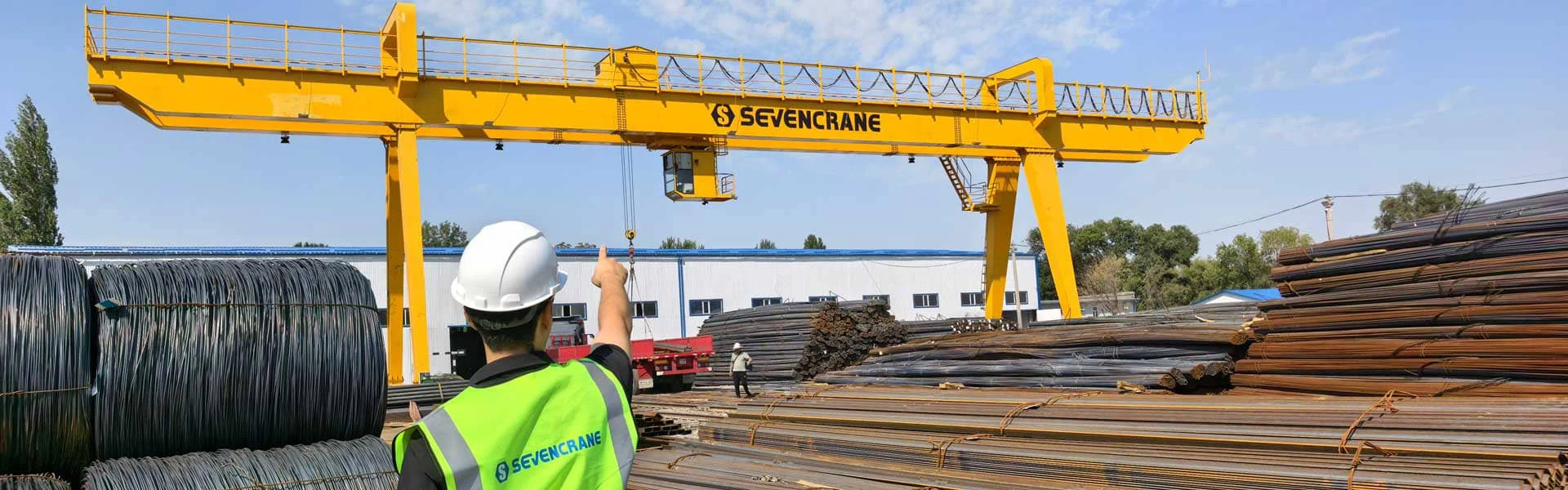
Overhead Crane
CHANGYUAN, HENAN, CHINA, November 3, 2026 /EINPresswire.com/ --
Industrial manufacturing, logistics, metallurgy, construction, and energy production all depend on reliable material-handling equipment to maintain efficient operations. As factories expand and production processes become more sophisticated, overhead cranes have become essential tools for transporting heavy loads, improving workflow, and making better use of available floor space. Within this competitive industry, Henan Seven Industry Co., Ltd. has established a presence as a manufacturer of industrial lifting equipment under the SEVENCRANE brand. With a product portfolio covering overhead cranes, gantry cranes, jib cranes, and other material-handling systems, the company serves customers seeking lifting solutions for a variety of industrial environments.
The Growing Importance of Overhead Cranes in Modern Industry
Overhead cranes play an important role in facilities where heavy materials must be moved repeatedly and accurately. Installed on elevated runway structures, these cranes can transport loads across designated working areas without occupying the same floor space required by forklifts and other mobile handling equipment.
This arrangement makes overhead cranes suitable for manufacturing plants, warehouses, steel processing facilities, machinery workshops, power stations, and other industrial locations. Depending on their configuration, they can be used to move raw materials, finished products, machine components, steel structures, and equipment requiring controlled lifting.
As industrial operations become more automated, companies are also looking for lifting systems that can integrate with their existing production processes. Factors such as lifting capacity, travel speed, positioning accuracy, operating frequency, and control methods can influence how effectively a crane supports daily work.
Henan Seven Industry Co., Ltd. provides overhead crane solutions designed for different lifting requirements. Its product range includes single-girder and double-girder overhead cranes, among other configurations. These systems can be evaluated according to the facility layout, load characteristics, available headroom, lifting height, and expected operating conditions.
For buyers, selecting an overhead crane requires more than choosing a nominal lifting capacity. The crane must be matched to the loads it will handle, the span of the building, the runway arrangement, and the frequency of operation. Proper planning helps ensure that the equipment can support the intended workflow while meeting applicable safety requirements.
Engineering Considerations in Overhead Crane Selection
Overhead cranes are available in different structural arrangements to accommodate varying industrial applications. Single-girder cranes generally use one main bridge girder and are often considered for light-to-medium-duty material handling, depending on the design and specifications. Double-girder cranes use two main girders and may be selected for higher capacities, greater lifting heights, or more demanding operating conditions.
The appropriate configuration depends on the project rather than a single universal rule. Buyers need to consider the maximum load, lifting height, span, available headroom, operating class, and the physical layout of the facility. The weight and dimensions of the loads can also affect the selection of hoists, trolleys, hooks, and related components.
Henan Seven Industry Co., Ltd. works with customers seeking different overhead crane configurations and customized lifting systems. The company's product range allows project teams to compare options according to their technical requirements and working environments.
Electrical systems and control methods also deserve attention. Depending on the application, a crane may use pendant controls, radio remote controls, or more advanced operating arrangements. The choice should reflect the required positioning accuracy, visibility, operator workflow, and relevant safety procedures.
Maintenance access is another important consideration. Hoists, brakes, motors, wheels, ropes, electrical systems, and other components need to be inspected and maintained throughout the equipment's service life. A crane design that supports practical maintenance planning can help operators manage downtime and maintain reliable performance.
Gantry Crane Applications Across Industrial and Outdoor Sites
While overhead cranes generally operate on elevated runway systems, gantry cranes use supporting legs that travel on rails or suitable ground surfaces. This structural difference makes gantry cranes useful in locations where a permanent overhead runway is unavailable or where lifting operations take place outdoors.
Gantry cranes are widely used in construction yards, precast concrete facilities, warehouses, shipyards, logistics centers, and manufacturing areas. They can be configured for different loads, spans, and working conditions, depending on the requirements of the project.
Henan Seven Industry Co., Ltd. offers Gantry Crane products as part of its industrial lifting equipment portfolio. These products provide options for customers who need to lift and transport materials across defined work areas without relying on a building-mounted overhead runway.
Gantry crane configurations may include single-girder and double-girder designs, as well as rail-mounted or rubber-tyred arrangements. The selection depends on factors such as the load weight, travel distance, ground conditions, available space, and required mobility.
For outdoor applications, environmental conditions can influence equipment design. Wind exposure, rain, temperature changes, ground stability, and corrosion risks should be assessed during the engineering stage. Appropriate travel mechanisms, braking arrangements, electrical protection, and other safety-related features should be selected according to the intended operating environment.
Gantry cranes may also be used in combination with other lifting equipment to support different stages of production or logistics. For example, a facility may use an overhead crane inside a workshop and a gantry crane in an adjacent storage yard. Such arrangements can help separate indoor production activities from outdoor material-handling operations.
Jib Crane Solutions for Localized Lifting Tasks
Not every lifting operation requires a large crane that travels across an entire workshop. In many facilities, workers need to lift materials within a smaller area around a workstation, machine, assembly line, or service point. Jib cranes are designed to support these localized lifting requirements.
A typical jib crane uses a horizontal boom or jib to position loads within a defined working radius. Depending on the design, the jib may rotate around a vertical support or be mounted to a wall or column. When paired with an appropriate hoist, it can help operators move components between nearby workstations and reduce repeated manual handling.
Henan Seven Industry Co., Ltd. also offers Jib Crane products for industrial material-handling applications. These systems can be considered for workshops, assembly stations, maintenance areas, warehouses, and production lines where lifting needs are concentrated within a specific zone.
Jib cranes are available in different configurations, including floor-mounted and wall-mounted designs. The most suitable arrangement depends on the building structure, required rotation range, load capacity, available floor space, and positioning requirements.
For manufacturers, a well-planned jib crane installation can help organize repetitive lifting tasks and improve access to materials. However, buyers should carefully evaluate the support structure and anchoring requirements before installation. The supporting floor, column, or wall must be capable of carrying the forces generated by the crane under the intended operating conditions.
The hoist, trolley, and control system should also be selected to match the load and working pattern. As with all lifting equipment, operators must follow the rated capacity and applicable safety procedures.
Integrating Different Crane Types Into Industrial Workflows
Industrial facilities often require several types of lifting equipment because material-handling tasks differ across production, storage, assembly, and shipping areas. An overhead crane may serve the main production hall, a gantry crane may handle materials in an outdoor yard, and a jib crane may support localized lifting around individual workstations.
This combination allows companies to evaluate lifting equipment according to the movement of materials throughout the facility. Instead of relying on one crane type for every task, engineering teams can consider the distance, frequency, load characteristics, and workspace constraints associated with each operation.
Henan Seven Industry Co., Ltd. offers overhead cranes, Gantry Crane systems, and Jib Crane products within its broader lifting equipment portfolio. This product range provides industrial customers with several categories to consider when planning new installations or upgrading existing material-handling processes.
Successful integration requires coordination between the crane design and the facility layout. Engineers should review runway positions, travel paths, power supplies, building clearances, loading zones, and maintenance access. Where multiple cranes operate in the same area, operational procedures and any necessary interference-prevention measures should also be considered.
For new industrial projects, involving the crane supplier during the planning stage can help clarify equipment requirements before the building layout is finalized. For existing facilities, accurate site measurements and an assessment of the current structure are essential before selecting or installing new equipment.
Manufacturing Quality and Technical Customization
Crane performance depends on the quality of its structural components, mechanical systems, electrical equipment, assembly, and final testing. The manufacturing process may involve steel preparation, cutting, forming, welding, machining, component assembly, coating, and functional inspection.
Consistency across these stages is important because cranes operate under repeated loads and changing working conditions. Structural accuracy, weld quality, wheel alignment, braking performance, and electrical reliability can all affect equipment operation.
Henan Seven Industry Co., Ltd. describes its manufacturing and engineering services as covering crane design, production, sales, installation, and maintenance support. Its official company information also identifies manufacturing processes that include steel preparation, cutting, forming, welding, machining, assembly, commissioning, and testing.
Customization is another important factor in industrial lifting projects. Standard products may not satisfy every requirement because factories differ in building dimensions, load characteristics, production schedules, and environmental conditions. Crane capacity, span, lifting height, operating class, power supply, and control methods may therefore need to be specified for individual projects.
For purchasing teams, it is advisable to request detailed technical drawings, load specifications, equipment dimensions, electrical information, and relevant inspection documentation. Buyers should also clarify installation requirements, spare-parts arrangements, maintenance guidance, and the scope of after-sales support before finalizing an order.
Safety, Inspection, and Long-Term Equipment Management
Safety remains a central consideration throughout the crane lifecycle, from initial design and installation to daily operation and maintenance. Lifting equipment should be selected and operated according to its rated capacity, working conditions, and applicable regulations.
Before a crane enters service, the installation and commissioning process should verify that relevant mechanical, electrical, structural, and safety functions operate as intended. Operators should receive appropriate training and understand the equipment's controls, load limitations, emergency procedures, and inspection requirements.
Routine maintenance helps identify wear or damage before it develops into a more serious problem. Inspection programs commonly address wire ropes or chains, hooks, brakes, wheels, motors, limit switches, electrical connections, and structural components, as applicable to the crane type.
The operating environment can affect maintenance needs. Dust, moisture, corrosive substances, high temperatures, and frequent operating cycles may require additional attention to specific components. A maintenance schedule should reflect the equipment manufacturer's recommendations and the conditions under which the crane is used.
Henan Seven Industry Co., Ltd. includes technical and after-sales support among the services described in its company information. For customers, confirming the availability of documentation, maintenance guidance, spare parts, and technical assistance can help support equipment management after delivery.
The Future of Industrial Lifting Solutions
As manufacturing and logistics facilities continue to improve productivity, demand for dependable material-handling systems is likely to remain important. Companies are evaluating ways to move loads efficiently, use available workspace more effectively, and integrate lifting equipment into increasingly organized production workflows.
Automation and more precise control systems may play a growing role in certain applications. However, the most appropriate solution will continue to depend on each facility's requirements, budget, operating conditions, and technical infrastructure. Careful engineering remains essential when choosing between overhead cranes, gantry cranes, jib cranes, and other lifting systems.
Henan Seven Industry Co., Ltd. operates in this market through its SEVENCRANE brand and a product range covering several industrial crane categories. By offering overhead crane systems alongside Gantry Crane and Jib Crane products, the company provides equipment options for customers evaluating lifting solutions for factories, warehouses, workshops, and other industrial facilities.
For project owners and purchasing teams, the central priority is to match the equipment to the application. A thorough assessment of lifting capacity, workspace, duty requirements, safety features, maintenance needs, and installation conditions can support more informed purchasing decisions and help establish a practical foundation for long-term operation.
Company Profile: Henan Seven Industry Co., Ltd.
Henan Seven Industry Co., Ltd., operating under the SEVENCRANE brand, is a Chinese manufacturer of industrial lifting and material-handling equipment. The company is based in Changyuan, Henan Province, an area known for its crane industry. According to its official website, the company was founded in 2018 and provides crane design, manufacturing, sales, installation, and maintenance-related services.
Its product portfolio includes overhead cranes, Gantry Crane systems, Jib Crane products, electric hoists, KBK workstation crane systems, and other specialized lifting equipment. These products serve a range of industrial applications, including manufacturing, warehousing, metallurgy, logistics, construction, and equipment handling.
The company describes its services as including customized engineering solutions based on factors such as load capacity, span, lifting height, operating conditions, and facility layout. It also provides project-related support and technical information to help customers evaluate suitable lifting configurations.
With its focus on industrial crane systems and material-handling equipment, Henan Seven Industry Co., Ltd. serves customers seeking lifting solutions for different operational environments. Buyers can contact the company directly to confirm product specifications, technical documentation, installation arrangements, and after-sales service options.
For more information about Henan Seven Industry Co., Ltd. and its industrial lifting equipment, visit the company's official website at www.sevenindustry.com.
Address: Crane Industrial Park, Changyuan City, Henan Province, China.
Official Website: https://www.sevenindustry.com/
Wang Bing
Henan Seven Industry Co., Ltd.
inquiry@sevenindustry.com
Legal Disclaimer:
EIN Presswire provides this news content "as is" without warranty of any kind. We do not accept any responsibility or liability for the accuracy, content, images, videos, licenses, completeness, legality, or reliability of the information contained in this article. If you have any complaints or copyright issues related to this article, kindly contact the author above.
